
A curated selection of popular and notable documents available for free download. These files span home energy efficiency, utility rebate programs, and practical energy-saving guidance.
Making your home more energy efficient starts with understanding where energy is being used and where it is being lost. A do-it-yourself home energy audit can help identify drafts, insufficient insulation, and outdated appliances that drive up monthly costs. Simple steps such as sealing windows and doors, adding weather stripping, and adjusting your thermostat settings can produce meaningful savings without major expense. Many households find that small behavioral changes, like running full loads in the dishwasher or air-drying clothes, add up over time. Free downloadable guides and checklists make it easy to track these improvements and prioritize the upgrades that offer the greatest return on investment for your home.
Utility companies and government agencies across many regions offer rebate programs designed to offset the cost of energy-efficient upgrades. These programs may cover items such as programmable thermostats, high-efficiency washing machines, LED lighting, and insulation materials. Some initiatives provide direct cash back on qualifying purchases, while others offer discounts at the point of sale or low-interest financing for larger projects like heating and cooling system replacements. Navigating the application process is often straightforward when you have the right documentation and a clear checklist of eligible products. Informational guides and program summaries available for download can help you identify which rebates apply to your household and how to submit a successful claim.
The long-term value of energy efficiency extends beyond lower monthly bills. Homes that incorporate efficient heating and cooling systems, proper insulation, and energy-smart appliances tend to maintain higher resale values and require less frequent maintenance. Reducing energy consumption also lessens the strain on local power grids and contributes to broader community and environmental benefits. Many homeowners find that the upfront cost of improvements is quickly recovered through accumulated savings on electricity, gas, and water bills. Free reference materials and planning worksheets can assist families in setting realistic goals, comparing upgrade options, and building a step-by-step approach that fits their budget and lifestyle priorities.
For households facing financial constraints, energy assistance programs and weatherization services can provide crucial support. These initiatives often target low-income families, seniors, and those with high energy burdens relative to their income. Services may include free home energy audits, installation of basic efficiency measures, and help with heating or cooling bill payments during extreme weather months. Eligibility requirements and application procedures vary by state and locality, but comprehensive information is often compiled in downloadable guides and fact sheets. Taking advantage of these resources can make homes more comfortable year-round while reducing the risk of utility shutoffs and keeping household budgets on a more stable footing.
Highlighted Downloads
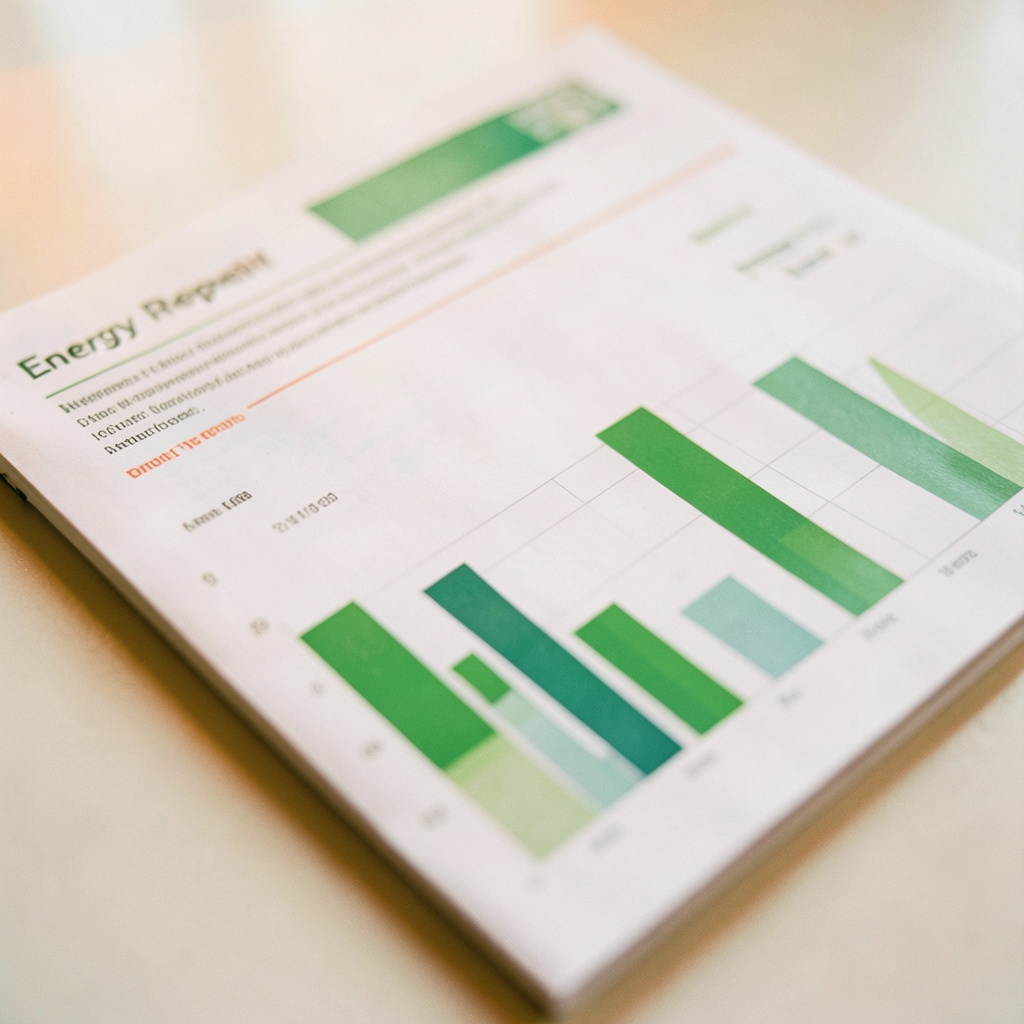
GHG Case Study: Utility Home Energy Efficiency Rebate
An in-depth case study examining greenhouse gas impacts and the structure of utility-sponsored home energy efficiency rebate programs.
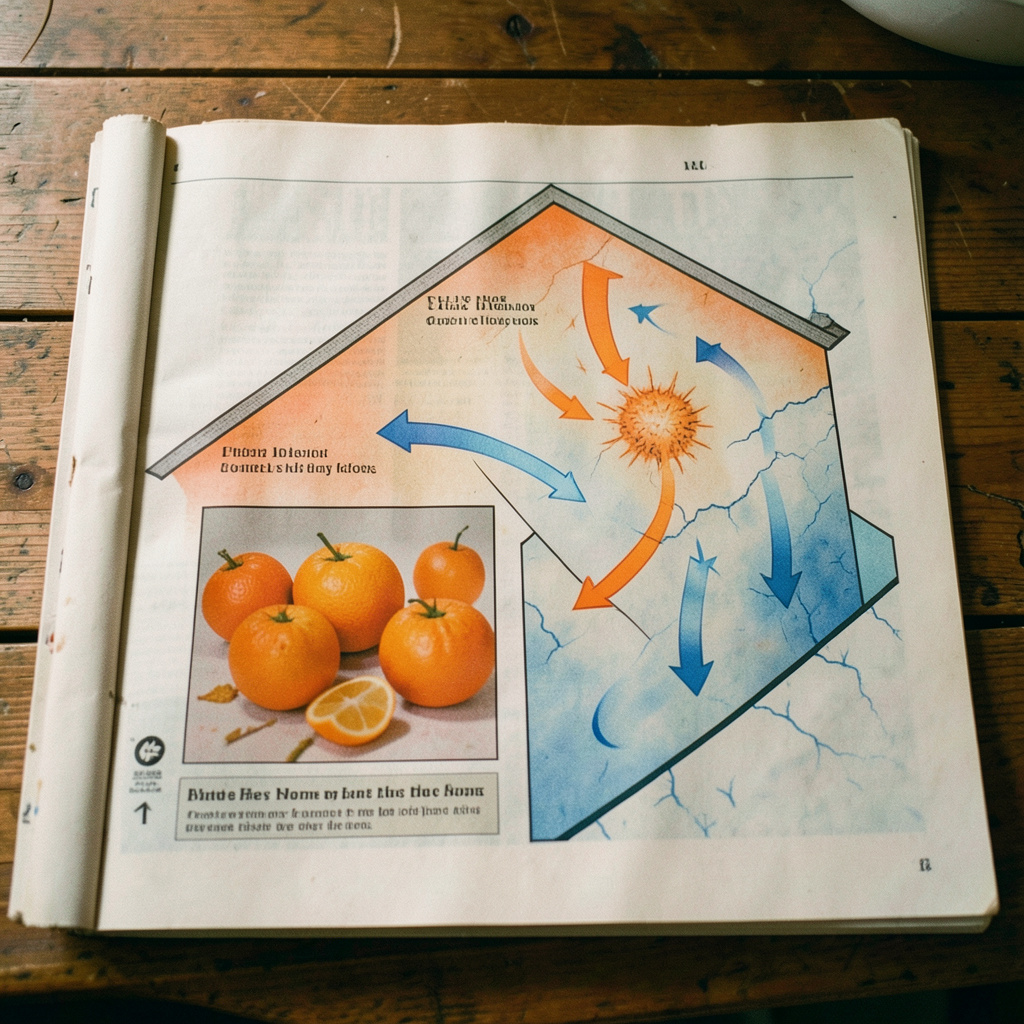
Washington Post: Escape Routes — Where Heat Is Fleeing Your Home
A Washington Post article identifying common thermal leak points in residential buildings and strategies to address them.
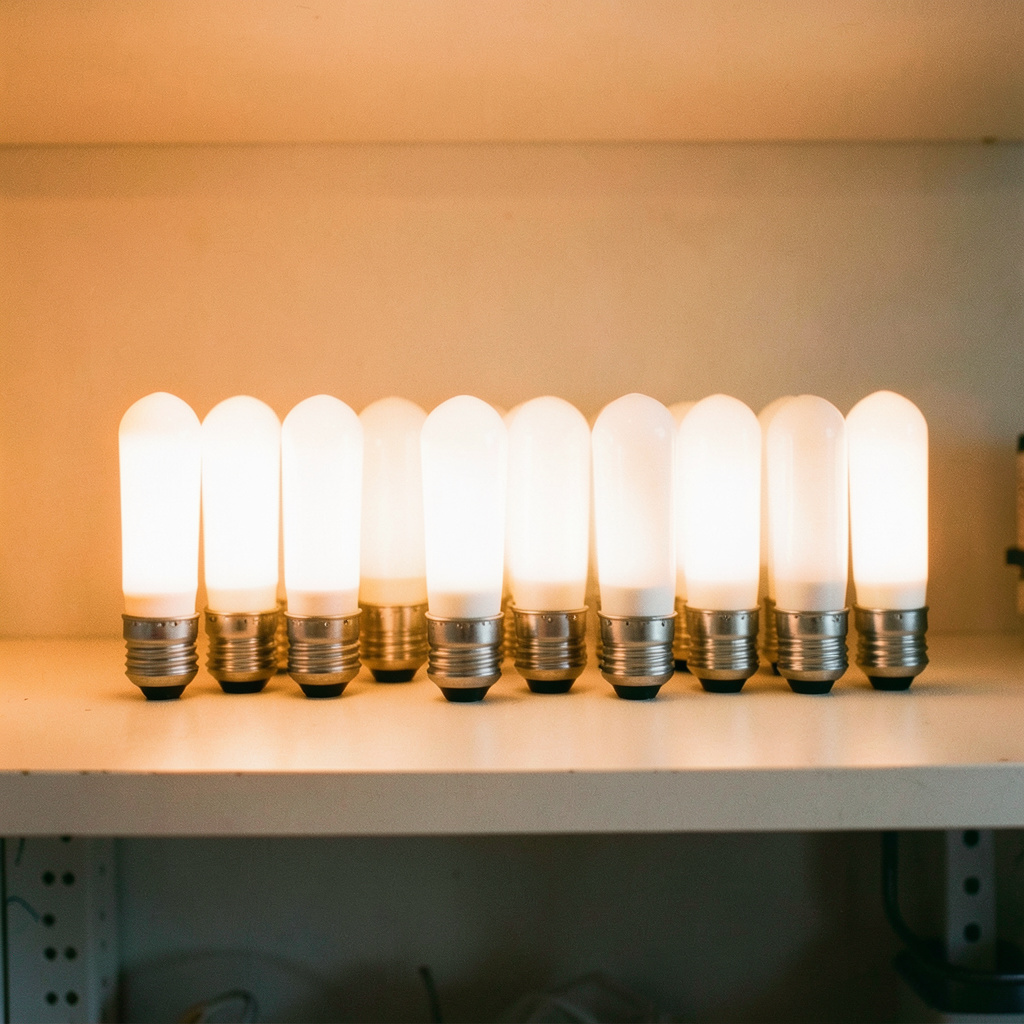
Qualified Bulbs (Wyoming) Rocky — Home Energy Savings
Guidance on qualifying energy-efficient light bulbs under Wyoming's Rocky region home energy savings initiatives.
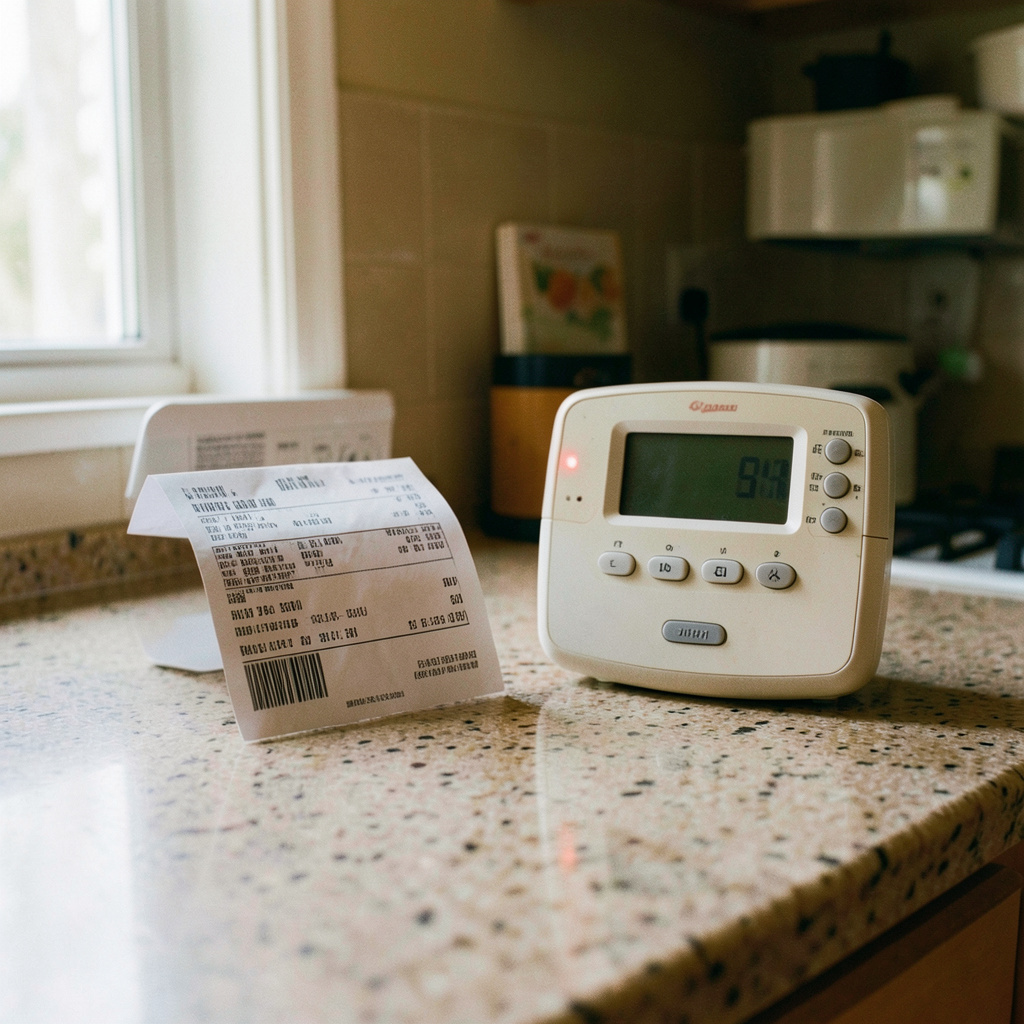
Everyday Energy-Saving Tips — Consolidated Edison
Practical daily habits and low-cost adjustments from Consolidated Edison to reduce household energy consumption.
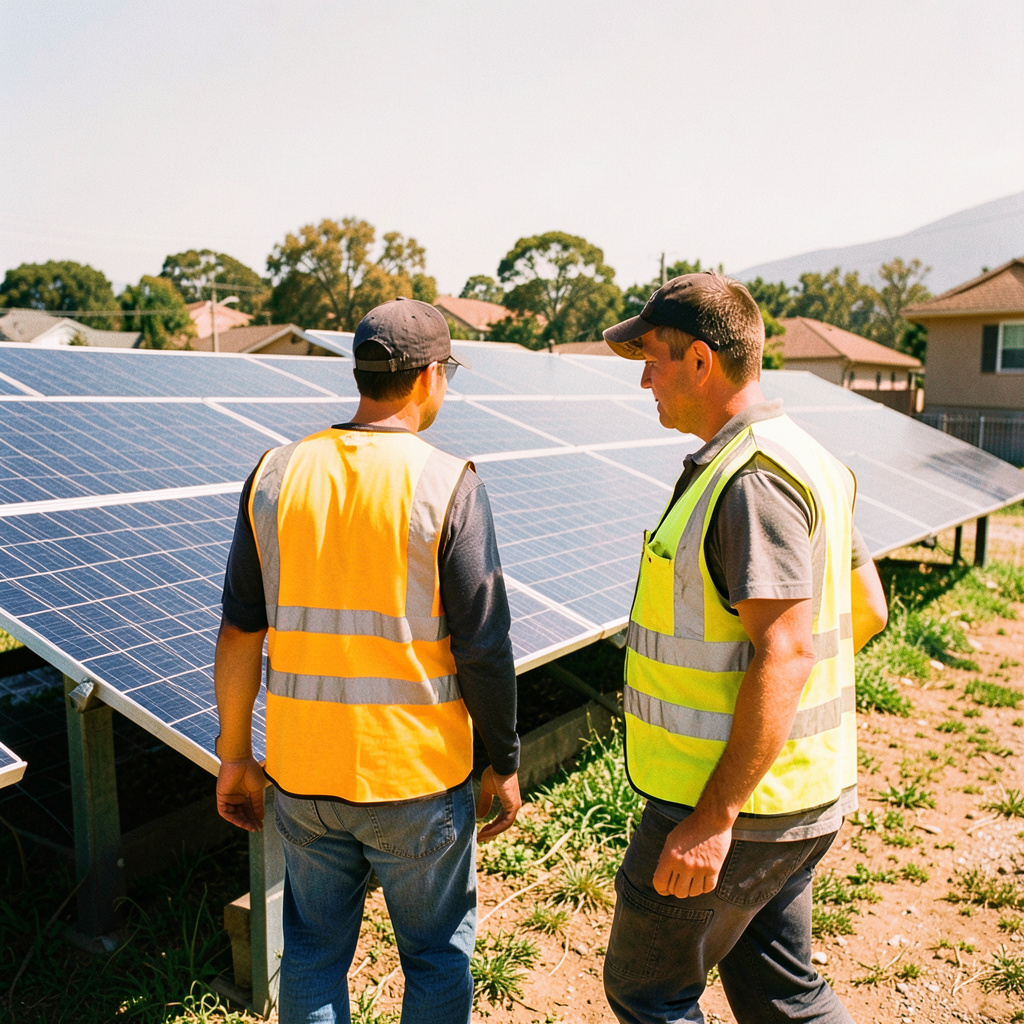
Energy Efficiency Ambassadors
An overview of community outreach programs where trained ambassadors promote energy efficiency practices in neighborhoods.
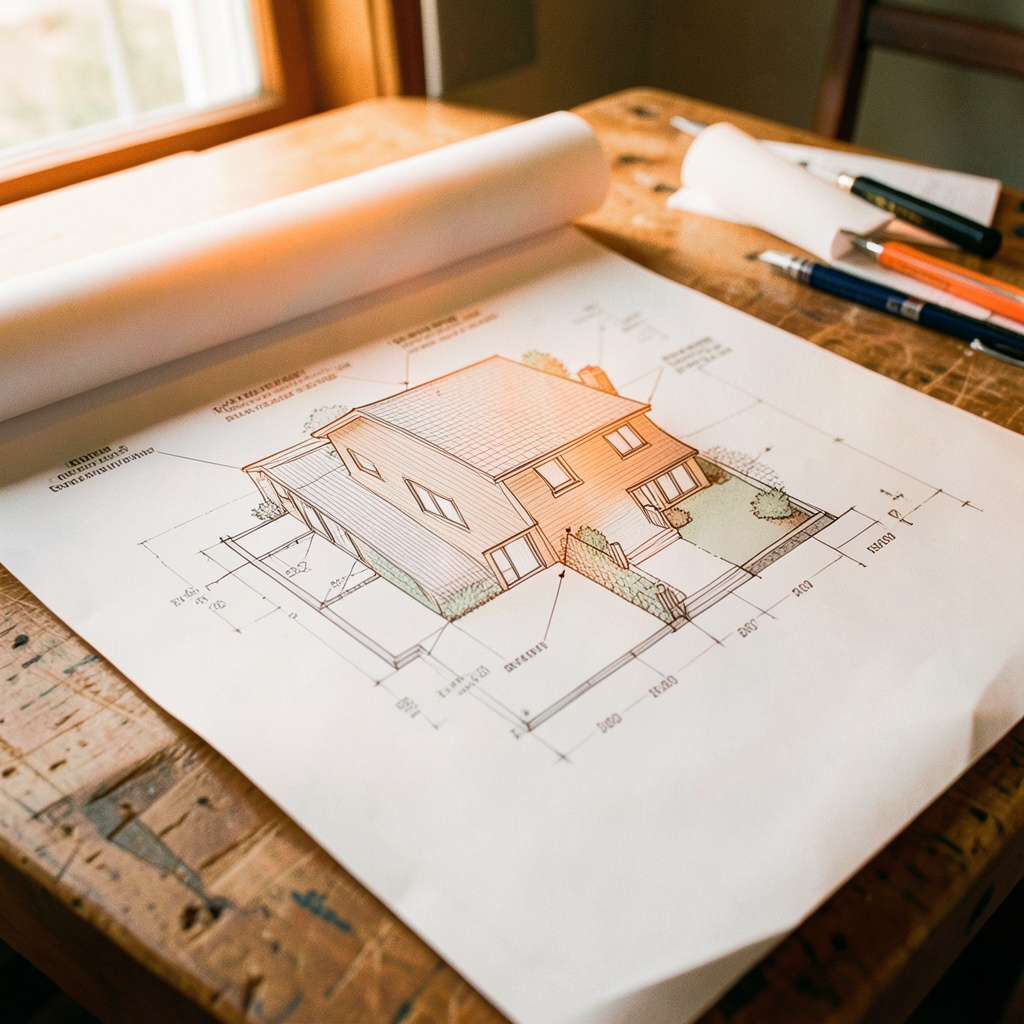
Enhancing the Value of Single-Family Housing Projects with Energy Upgrades
Explores how targeted energy-efficiency improvements can increase the market value and performance of single-family homes.
Browse More
Explore the full collection by subject area. The Categories page organizes titles across technical engineering, software development, home energy, and more.